

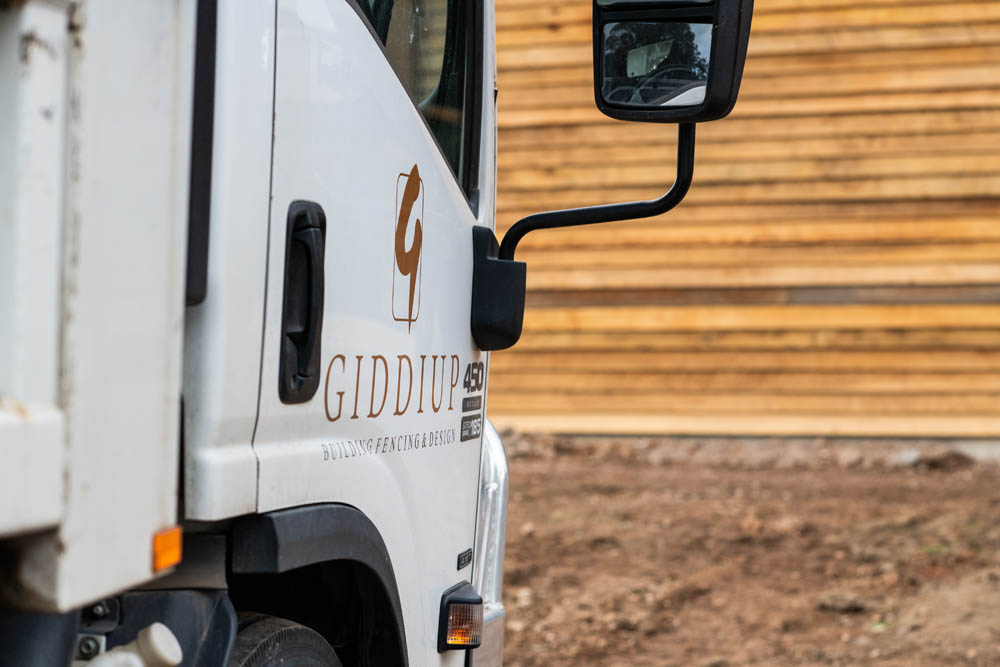
07 Jul How Giddiup Incorporates Reclaimed Timbers in Modern Construction
Giddiup has established itself as a leader in transforming Australia’s industrial heritage into contemporary architectural masterpieces. This innovative approach to building demonstrates how reclaimed timber from historic wharfs, railway bridges, and boat hulls can create structures that are not only environmentally responsible but rich with unique stories and unmatched character.
The art of sourcing heritage materials
Giddiup’s commitment to reclaimed timber begins with carefully sourcing premium materials from Australia’s industrial past. The company has established networks across the country to identify and acquire timber from decommissioned infrastructure including Port Kembla wharfs, railway bridges spanning Gippsland and outback NSW, historic boat hulls, and rural sale yards. Each piece carries decades of Australian history within its weathered grain, creating building materials that simply cannot be replicated by modern manufacturing.
The sourcing process requires expertise in identifying structurally sound timber whilst preserving the rich patina and historical significance that makes each piece special. Whether it’s ironbark beams from 1880s railway bridges or tallowwood planks from century-old wharfs, every element is carefully evaluated for both structural integrity and narrative value. This meticulous selection process ensures that each project incorporates materials with authentic character developed through decades of Australian weather and use.
Transforming history into modern structures
The transformation of reclaimed timber into contemporary construction materials is where craftsmanship meets sustainability. Giddiup’s processing methodology carefully balances preservation of historical features with modern performance requirements. The process begins with thorough de-nailing and cleaning, followed by kiln drying to achieve optimal moisture content below 15 per cent.
This naturally seasoned timber exhibits superior dimensional stability compared to new growth alternatives, significantly reducing the warping and splitting that can plague contemporary construction projects. Each piece is then custom-milled to project specifications whilst preserving distinctive weathering patterns, bolt holes, and grain variations that give reclaimed timber its unmistakable character.
Major projects showcase how reclaimed timber integrates seamlessly with luxury contemporary design. The $140 million William Inglis Riverside Stables Complex features 850 horse boxes across 26 acres, where weathered railway bridge timber creates warm, authentic interiors that complement modern amenities. Similarly, venues like The Grounds Cafe in Alexandria demonstrate how reclaimed hardwood elements provide rustic charm whilst meeting strict commercial building standards.
Environmental benefits that make a difference
The environmental advantages of using reclaimed timber are substantial and measurable. Studies indicate that reclaimed materials deliver 43.5-69 per cent lower carbon emissions compared to conventional building materials. By diverting timber from Australia’s 1.7 million tonnes of annual timber waste—of which only 30 per cent is currently recycled—each project prevents materials from generating methane emissions in landfills whilst continuing to store carbon throughout their extended service life.
Using reclaimed timber also reduces pressure on native forest harvesting, which is particularly significant as Victoria reduces native forest harvesting by 60 per cent and supply constraints tighten nationwide. Each reclaimed beam represents trees that don’t need felling, forests that remain intact, and ecosystems that continue providing carbon sequestration and biodiversity habitat.
This approach supports Australia’s transition toward circular economy principles by 2030, where materials maintain productive use across multiple lifecycles rather than following linear disposal patterns. When reclaimed materials aren’t suitable for specific applications, Giddiup sources new timber exclusively from renewable and sustainable forests, demonstrating comprehensive environmental stewardship.
Superior performance through natural aging
Reclaimed Australian hardwoods often exhibit superior structural properties compared to plantation-grown alternatives, primarily due to old-growth characteristics and complete natural seasoning. Ironbark, spotted gum, and tallowwood sourced from historic structures typically demonstrate higher density from slower historical growth rates, creating tighter grain patterns that enhance strength-to-weight ratios.
The decades-long aging process eliminates internal stresses whilst developing superior moisture resistance. With moisture content typically below 15 per cent, reclaimed timber shows 50-70 per cent less dimensional movement than new timber—crucial for Australia’s challenging climate conditions. Surface hardening from UV exposure and moisture cycling creates natural durability that requires minimal maintenance compared to new timber requiring preservative treatments.
Quality grading follows interim Australian standards specifically developed for recycled hardwood, ensuring structural applications meet building code requirements. Visual grading assesses embedded hardware, moisture content, and species identification, whilst engineering assessment addresses non-standard applications where necessary.
Stories in every grain
Beyond the environmental and performance benefits, reclaimed timber brings an irreplaceable narrative quality to modern construction. Each structure becomes a living connection to Australia’s industrial heritage, where dismantled infrastructure gains new purpose whilst maintaining its historical story. This approach recognises that Australia’s industrial past—from gold rush-era railways to federation-period wharfs—deserves preservation through adaptive reuse rather than disposal.
The unique character of reclaimed timber cannot be artificially created or replicated. Weathering patterns, nail holes from original construction, and grain variations tell authentic stories of maritime trade, railway expansion, and rural settlement. When incorporated into contemporary buildings, these materials create spaces with genuine character and historical depth that new materials simply cannot match.
The future of sustainable construction
Giddiup’s success with reclaimed timber for post and rail fencing and other applications demonstrates that sustainable construction doesn’t require sacrificing quality, performance, or aesthetic appeal. Instead, their approach delivers superior outcomes across all these metrics whilst contributing to heritage preservation and environmental protection. As the construction industry faces increasing pressure to reduce environmental impact, the integration of reclaimed materials offers a proven pathway forward.